OneDrive or SharePoint? Where Your Business Files Should Live
Learn when to use OneDrive or SharePoint so business files stay organized, secure, easy to find, and recoverable when employees leave without confusion.

Learn when to use OneDrive or SharePoint so business files stay organized, secure, easy to find, and recoverable when employees leave without confusion.

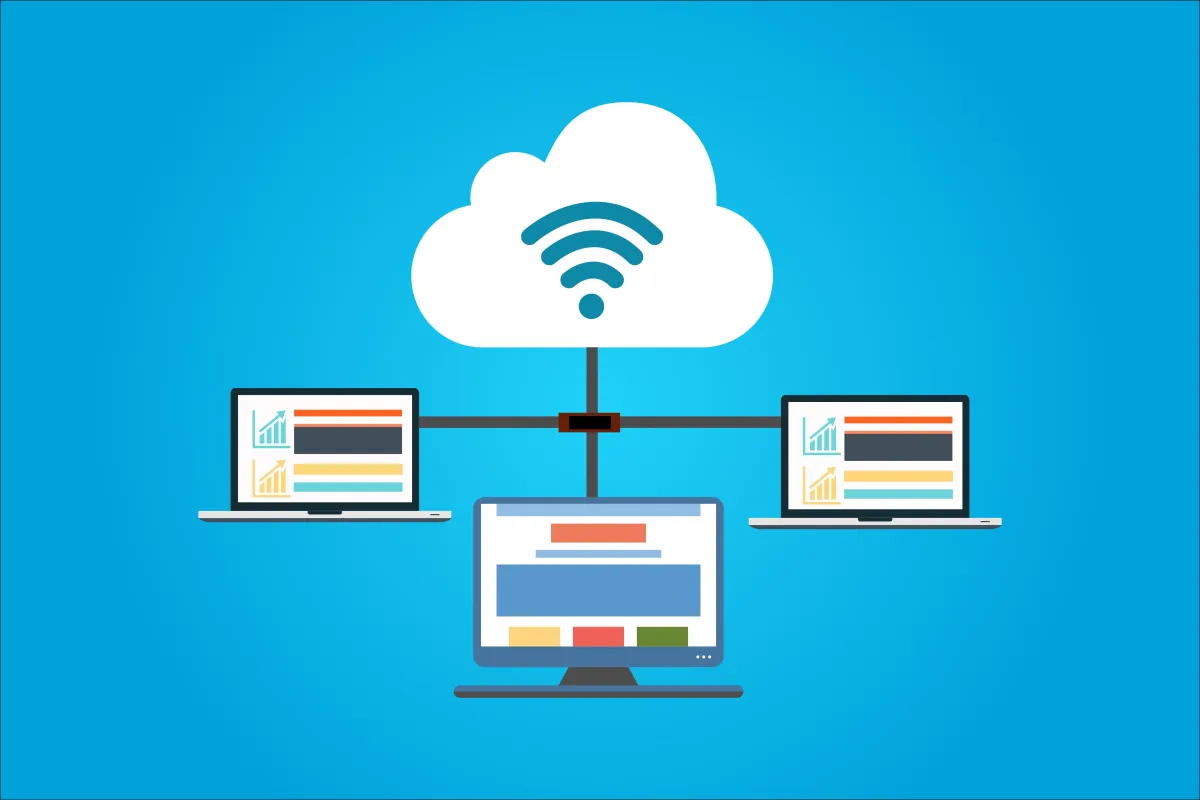
The strategic IT conversation has gradually shifted from the cloud vs. on-premise debate to a more practical compromise, i.e., the hybrid cloud. A fixed “cloud only” mandate can lead to unexpected costs, compliance headaches, and performance issues. On the other hand, a hybrid cloud strategy provides greater flexibility by allowing businesses to split workloads based on where they make most practical sense, i.e., using a public cloud for scalable resources and on-premise infrastructure for fine-tuned control. This blend allows for the creation of more efficient, resilient, and future-proof IT architecture that suits unique needs.

Unchecked cloud resource management transforms the cloud’s promise of agility into a source of bloated and unpredictable spending known as “cloud waste” that eats into your bottom line. As such, business leaders need to adopt FinOps strategies that treat cloud spend as a business variable that requires continuous cost optimization to identify and eliminate waste. The goal is to ensure that each dollar is directly spent on initiatives that power your business objectives instead of just vanishing into unused resources.

Windows Server 2016 end-of-support deadline as a strategic opportunity to modernize IT infrastructure by migrating to the cloud for improved performance and scalability.